
~
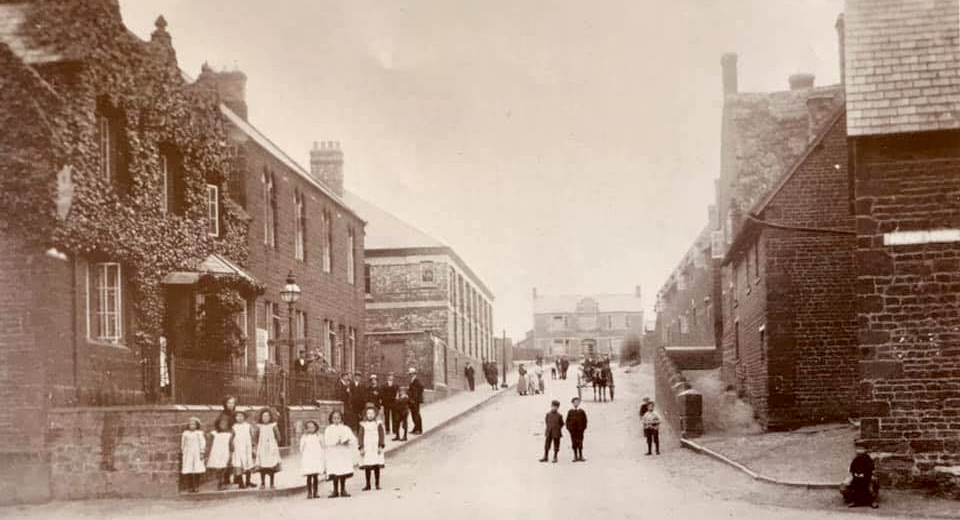
The Girls’ Charity School, located in Church Street was built in 1712 by Sir Gilbert Dolben. Originally thatched, the school was part of a foundation set up to provide a limited number of girls from poor families boarding and an education.
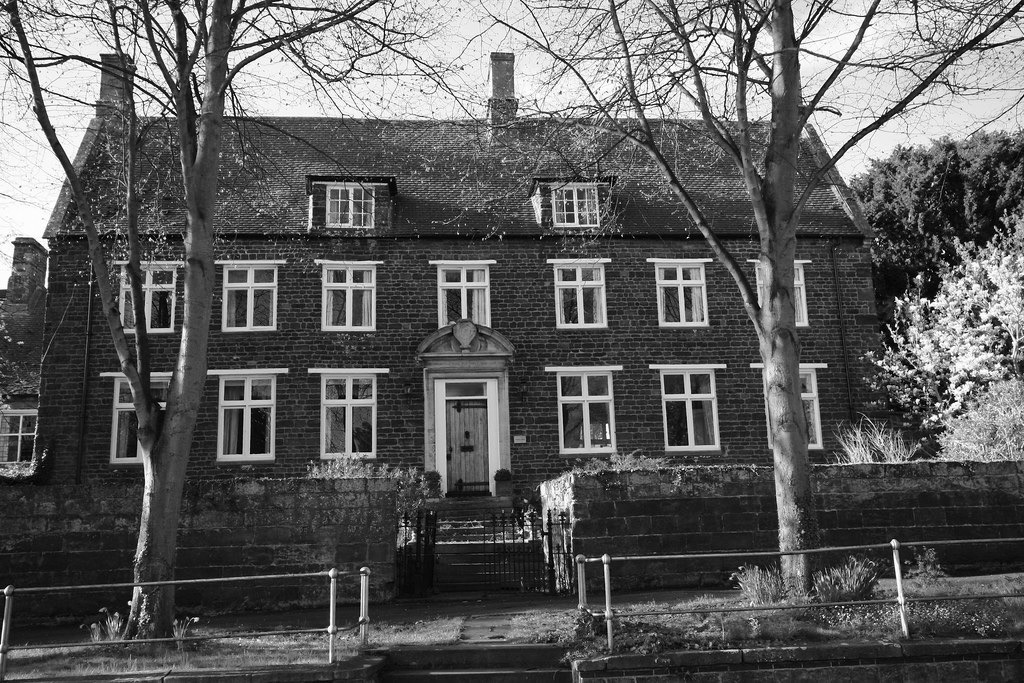
In 1901, Mary Ozier, headmistress of the school wanted to do something special for the school to commemorate its building. She obtained (from sources unknown) a three-foot wooden figure that looked very realistic, dressed in the manner of a Dutch doll.
It was supposedly named for its similarity to the Dutch national costume, which quite possibly also resembled the uniforms worn by the girls who attended the school but “Dutch Doll” was also a commonly used term for wooden peg dolls of the time.
The doll was carved from wood, 3 feet 6 inches (1.07 m) tall, depicted in a blue dress, holding a bible in one hand and a scroll in the other which read “Read Ye The Scriptures” a bible reference from JOHN 5. v39.

The figure was so intricately carved that the dark brown flowing dress looked very realistic as was the carved white Dutch cap that adorned its head. This headpiece became the doll’s most famous and defining feature, resembling the style of hat worn by school children at the time.
The doll’s face appeared rather emotionless with dark staring eyes and tightly closed lips, a strange contrast to the cherub-like cheeks upon which they were pursed. The doll’s attire closely resembled the fashion of a modern-day Puritan woman, complete with dark boots with a slight heel, all carved from wood.
It is thought that at one time the doll had been mounted over a door, where it may have been attached to a mechanism causing it to move when the door was opened. This may well have given rise, amongst easily suggestible school children, to the rumour that the doll sometimes moved on its own, ‘coming to life’ so to speak. Several stories abounded such as the doll walking the corridors at night and stealing the girls’ possessions. Others thought it somewhat demonic, terrorizing those girls that boarded at the school overnight, keeping them awake.
During the sixty years that the doll was located at the school, which closed in 1961, it must have been placed in several places. Folklore has it that one girl witnessed it waving from a window. Furthermore, it is alleged that it was once moved to a cellar so as not to distract the children, although this brought a further scare that disobedient girls would be locked in the cellar with the demonic doll as punishment. All highly unlikely!
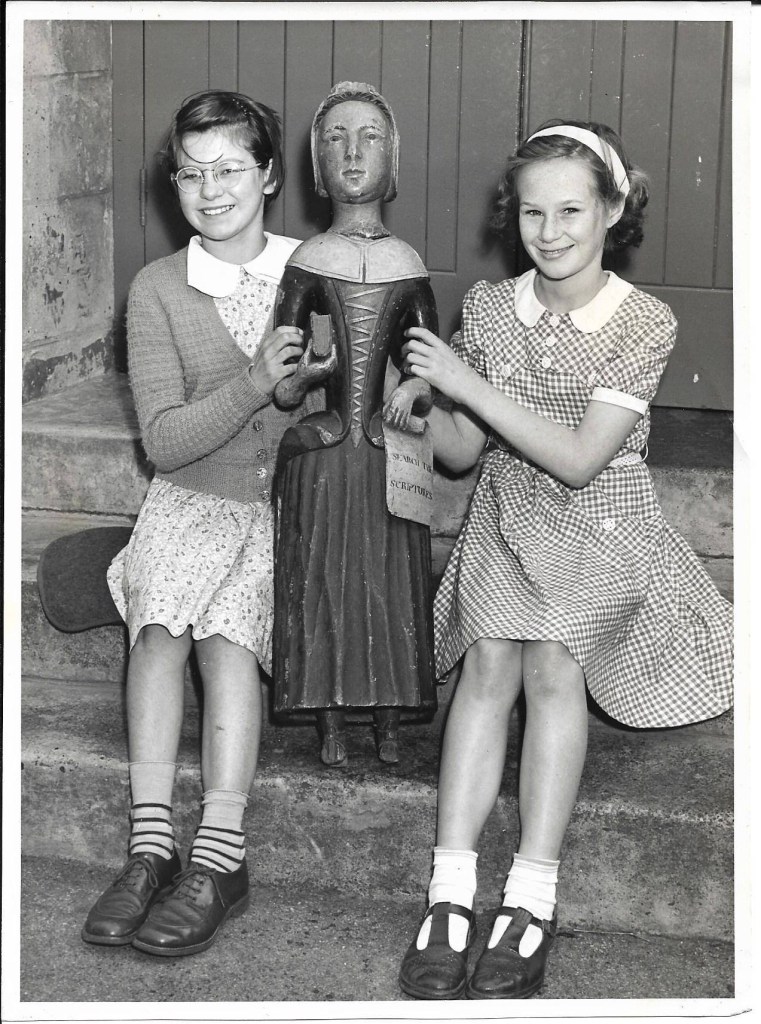
(Schoolgirls Ann Wheatley and Maureen Haswell holding the troublesome doll).
~
Thus, whilst the headmistress’s intentions were well-meaning, hoping the girls would become fond of the mascot, the opposite was the case. One can imagine how these rumours easily proliferated.
With a reputation such as it was at that time it is remarkable that the powers that be decided to relocate the doll into St Mary’s Church once the Charity Girls’ School closed in 1961, the children also relocating to the Mulso School on Wellingborough Road.
The doll was mounted on the wall of St Mary’s Church but not before some persons unknown had taken a saw to the doll and amputated both its legs (presumably to ensure the doll would never again terrorise the living) or so they thought.
So, for 20 years the doll hung on the wall of the church until 1981 when it mysteriously vanished from its elevated position.
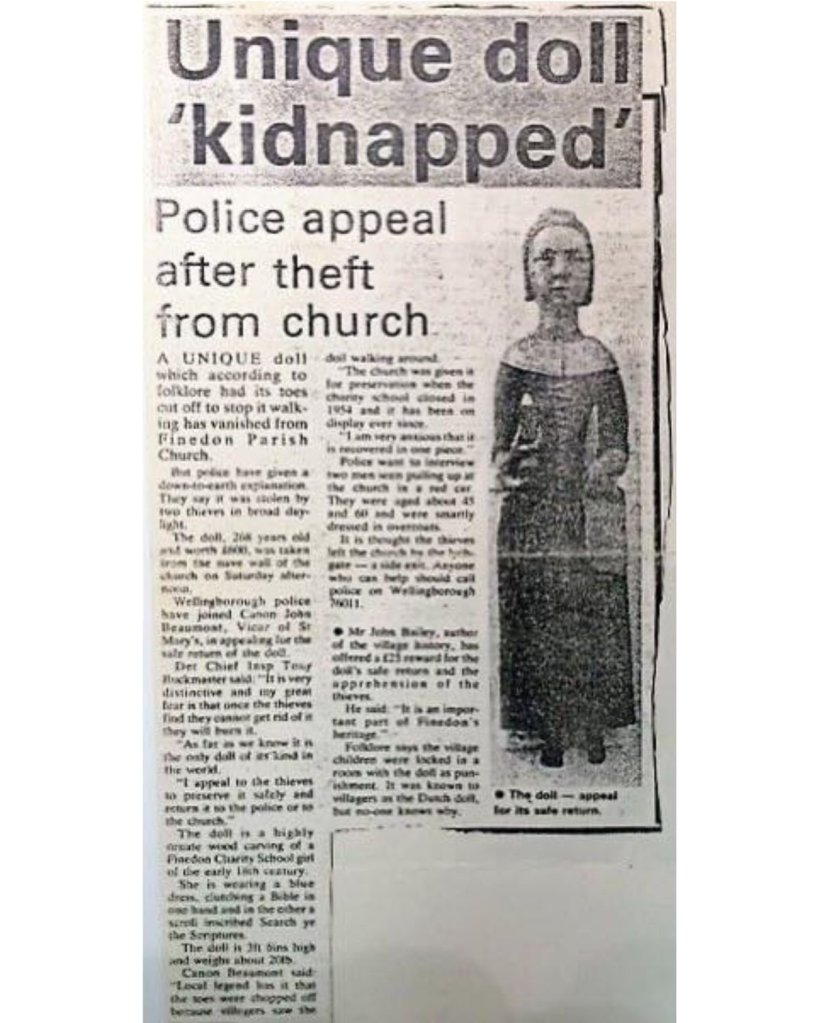
As the doll is not thought to be worth a significant amount of money, it is widely believed that some prankster knowing the history of the demonic Dutch Doll somehow got into the church and made off with it. However, to this day it has never been found.
Of course, the disappearance mystery itself has given further rise to more conspiracies.
According to some, the doll may have left physically but remains spiritually to carry on its haunting within this ancient building.
The mysterious nature of the doll’s disappearance and the widespread belief in the legends held by the locals of the time, both children and adults alike, have been the subject of at least one novel.

 From Tingdene to Finedon